|
|
 Western-style hotel Western-style hotel Welcome dinner Welcome dinner
Meet at the tour hotel in central Tōkyō. There will be a welcome dinner at a local restaurant.
|
|
|
|
- Western-style Hotel
- Breakfast
Our first full day in Japan will be spent on a walking tour of Tōkyō, starting at Nihonbashi (the ‘Japan Bridge’) considered to be the ‘centre of Japan’ and the zero marker point for all Japan’s main roads since the Edo period. Afterwards, we visit Ueno and the Tōkyō National Museum to see exhibits illuminating the Japan of the Edo era, the heyday of the Nakasendō Trail. If the museum is closed because of a national holiday, we will visit the Hama-rikyū Gardens, once part of a warlord's villa. We continue to the grand Meiji Shrine and the fashionable Harajuku district. In the evening, your tour guide will be on hand to offer suggestions for restaurants for dinner.
|
|
|
|
|
|
|
|
|
|
|
|
- Western-style Hotel
- Breakfast
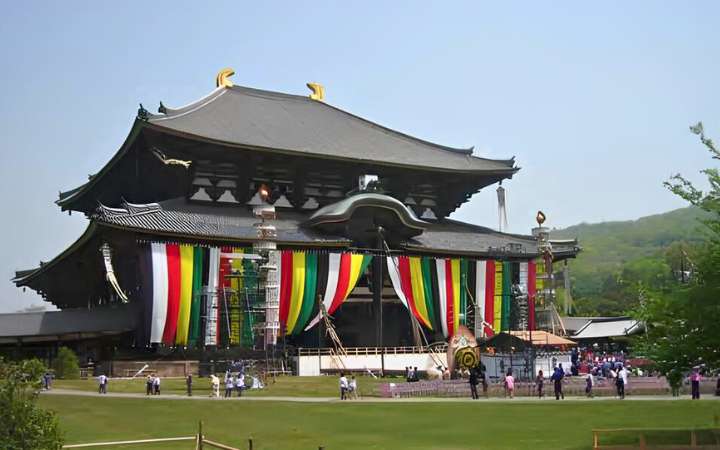
In Nara, we have a guided walk in the morning. Many of Japan’s greatest cultural treasures are concentrated in and around the city, with eight UNESCO World Heritage Sites – Tōdai-ji Temple, Kōfuku-ji Temple, Kasuga Grand Shrine, Mount Kasuga Primeval Forest, Nara Palace Site, Gangō-ji Temple, Yakushi-ji Temple, and Tōshōdai-ji Temple. Many of these sites are in or near Nara Park, home to a thousand or more free-roaming deer. We will visit two of these World Heritage Sites, Kasuga Grand Shrine and Tōdai-ji Temple – its Daibutsu-den is the largest wooden building in the world, housing a 16-metre-tall image of the Rushana Buddha in bronze and gold. Prior to being rebuilt three hundred years ago, the awesome wooden structure was even larger than today. There will be some free time to relax, visit a Japanese garden, or wander through the old town.
|
|
|
|
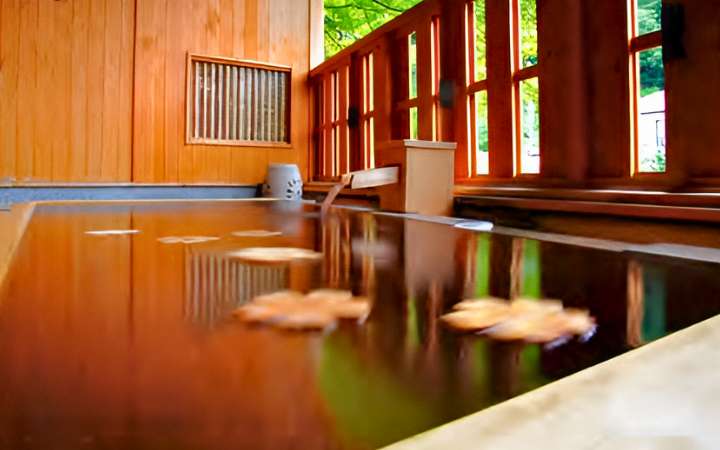
 Ryokan (traditional Japanese inn) Ryokan (traditional Japanese inn)- Breakfast, Dinner
From Nara, our journey takes us to the ridge-top village of Yoshino, and a comfortable ryokan. Yoshino is a UNESCO World Heritage Site and one of the most famous places in the whole of Japan for viewing cherry blossoms in the spring. We will visit Yoshimizu Shrine (connected to historical figures such as Minamoto no Yoshitsune, Emperor Godaigo, and Toyotomi Hideyoshi) and explore the area.
|
| Travel to Asakusa and Head Onwards to Mount Koya (2027) |
- Shukubō (temple lodging)
- Breakfast, Dinner
From Nara, our journey takes us to Asuka, a quiet and peaceful village that was once Japan's capital. Throughout the village, old sites such as the Ishibutai Kofun are scattered, allowing visitors to enjoy the traditional scenery while walking around. Expansive rice fields and lush greenery create a serene atmosphere, making it a perfect place to relax in nature.
Visiting temples and ancient tombs here lets you reflect on Japan’s past, making Asuka a soothing and memorable destination.
After that, we take the scenic train to Mount Kōya, a complex of Buddhist monasteries in the mountains of the Kii Peninsula. Since the 9th century, Mount Kōya has been a place of religious devotion and ceremony. Today there are more than 100 monasteries, many of which have shukubō temple lodgings. We stay in one of the temples and dine on shōjin ryōri Buddhist vegetarian cuisine. Tomorrow morning, there is an opportunity to rise early and join the Buddhist morning service.
|
|
|
Visit atmospheric Mount Koya (2026)
|
|
- Shukubō (temple lodging)
- Breakfast, Dinner
We take the scenic train to Mount Kōya, a complex of Buddhist monasteries in the mountains of the Kii Peninsula. Since the 9th century, Mount Kōya has been a place of religious devotion and ceremony. Today there are more than 100 monasteries, many of which have shukubō temple lodgings. We stay in one of the temples and dine on shōjin ryōri Buddhist vegetarian cuisine. We visit Kongōbu-ji Temple and walk through the vast Okunoin cemetery. Tomorrow morning, there is an opportunity to rise early and join the Buddhist morning service.
|
|
Explore Mount Koya (2027)
|
- Shukubō (temple lodging)
- Breakfast, Dinner
In the morning, visit Kongobu-ji, the main temple at the heart of Mount Kōya. Its expansive grounds feature beautiful gardens and historic architecture, offering a serene sense of the temple’s importance as the head of Shingon Buddhism. After exploring the temple, you can take a short break at nearby shops or tea houses while enjoying the mountain atmosphere.
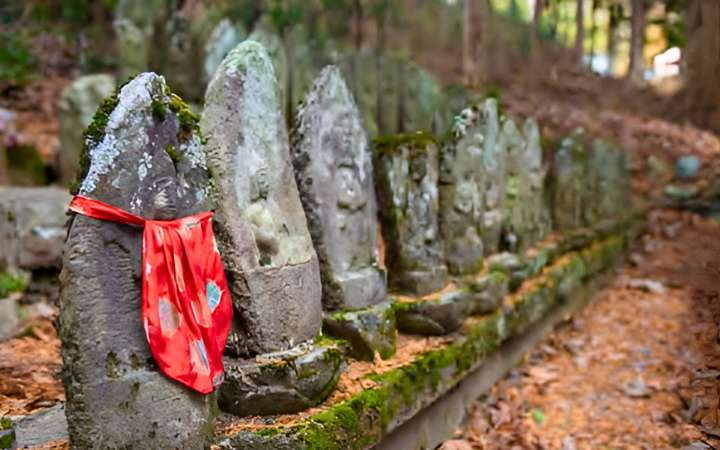
In the afternoon, head to Okunoin, Mount Kōya's atmospheric graveyard. Walk along the cedar-lined path and visit sacred sites and historic grave markers dedicated to Kōbō Daishi. The tranquil surroundings provide a chance to reflect on Japan’s spiritual traditions and rich history.
Please note that our 12 November departure will instead feature a stay at a Western-style hotel in the old capital of Kyōto.
|
|
|
|
- Western-style Hotel
- Breakfast
We take the train to Kyōto and check into our hotel. Kyōto was Japan’s capital for many centuries and is still regarded as the country’s cultural heart. We will enjoy a walk in Gion, Kyōto’s geisha district, and there will be the possibility of seeing a geiko (fully-fledged geisha) or maiko (apprentice geisha) making their way through the narrow streets.
|
|
| Explore the History of Kyoto |
|
- Western-style Hotel
- Breakfast, Farewell Dinner
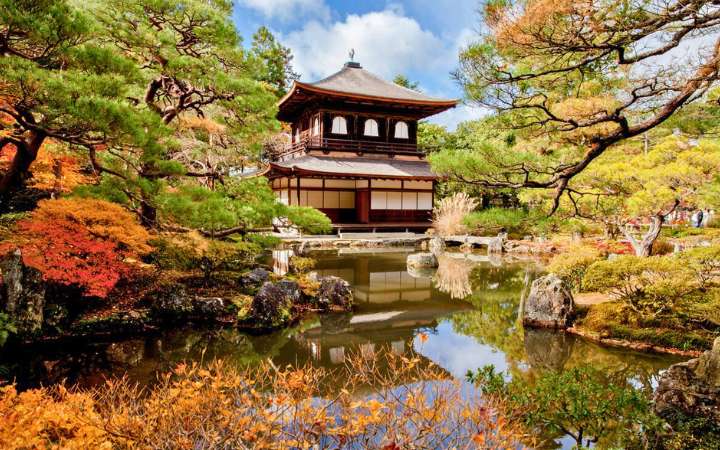
There is a guided half-day walking tour this morning. We first visit Sanjō Bridge, the western end of the Nakasendō Trail. We continue to Nanzen-ji Temple, a tranquil Zen Buddhist temple whose history dates back to the mid-13th century. We then stroll along the Philosopher’s Path, with craft shops, cafes, shrines, and temples beside the clear waters of a small canal. The path ends near Ginkaku-ji, the Silver Pavilion. There is free time in the afternoon so you can explore the area further or shop for crafts. In the evening, there is a farewell dinner with your guide.
|
|
|
|
- Breakfast
Our tour ends today after breakfast at the hotel in Kyōto. Your guide will be on hand to offer assistance and advice for travelling to the airport if you have homeward flights, or on onward travel if you are extending your stay in Japan.
|
|
|



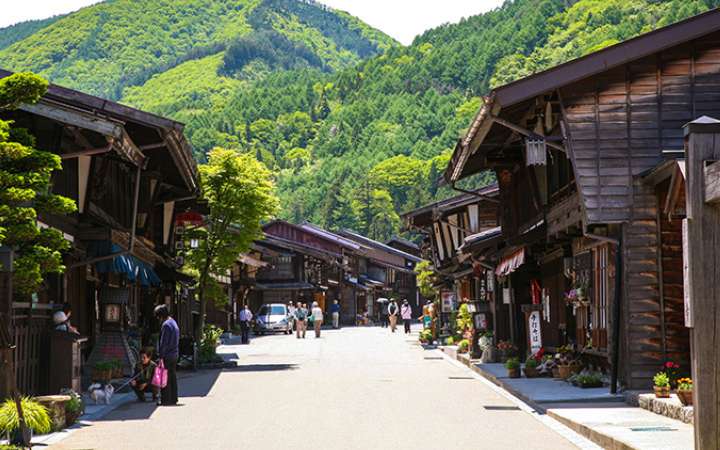
 2.5 km / 1.6 mi
 negligible ascent and descent