|
|
 Western-style hotel Western-style hotel Welcome Dinner Welcome Dinner
Meet your guide and other group members at the tour hotel in central Tokyo in the evening. There will be a Welcome Dinner at a local restaurant.
|
|
|
|
- Western-style hotel
- Breakfast
Our first full day in Japan is a walking tour of Tokyo. We start at the Hama-Rikyu gardens, located near the mouth of the Sumida-gawa river. There is a striking contrast between the gardens and the gleaming towers of the new Shiodome business area beyond. Next, we visit Nihonbashi (the ‘Japan Bridge’) considered to be the ‘centre of Japan’ and the zero marker point for all Japan’s main roads since the Edo period. We then head to the elegant Ginza shopping district and continue to the Grand Meiji Shrine near Harajuku, an area famous for its avant-garde fashion and architecture.
|
|
2026: Explore Tokyo
|
- Western-style hotel
- Breakfast
Our first full day in Japan is a walking tour of Tōkyō. We start at the Hama-Rikyu Gardens, located near the mouth of the Sumida River. There is a striking contrast between the gardens and the gleaming towers of the Shiodome business area beyond. Next, we then head to the elegant Ginza shopping district and continue to Meiji Shrine near Harajuku, an area famous for its avant-garde fashion and architecture. Afterwards, we will visit a museum to learn about arts and culture during the Edo Period.
|
|
| 2025: Travel to Obuse and Yudanaka Hot Spring |
|
 Ryokan (Traditional Japanese Inn) Ryokan (Traditional Japanese Inn) - Breakfast, Dinner
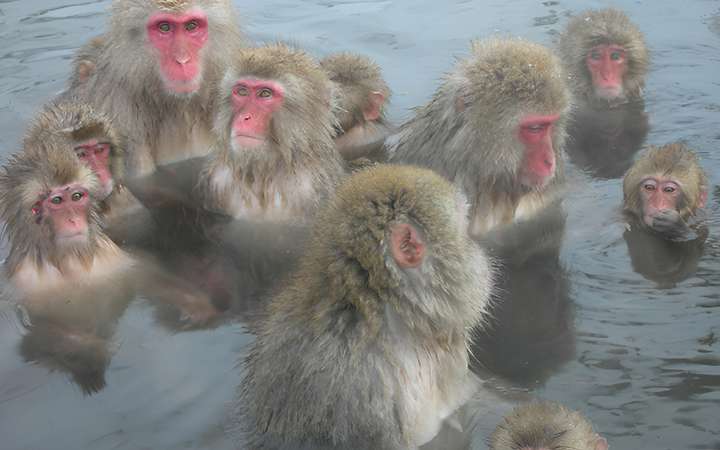
We travel this morning to Obuse in Nagano Prefecture north-west of Tokyo. The small, attractive town of Obuse was where the artist Hokusai lived towards the end of his life. We visit the Hokusai-kan, a museum where many of his works are on display. We will also visit Masuichi-Ichimura Saké Brewery. Afterwards we make the short journey to Yudanaka Onsen, a hot spring village famous for its ‘snow monkeys’. The Japanese macaques originally came here to warm themselves in the outdoor hot spring bath during the cold winters and now come all year round.
|
|
2026: Travel to Zenko-ji Temple and Yudanaka Hot Spring
|
- Ryokan (Traditonal Japanese Inn)
- Breakfast, Dinner
We travel this morning to Zenkō-ji in Nagano Prefecture, northwest of Tōkyō. Zenkō-ji is a historic temple in Nagano City, boasting a history of approximately 1,400 years. Its principal image is said to be the oldest Buddhist statue in Japan, and is worshipped by many people regardless of sect. The main hall has been designated as a national treasure and is a sacred site; many say that one should visit Zenkō-ji Temple at least once in one’s lifetime. Afterwards we make the short journey to Yudanaka Onsen, a hot spring village famous for its ‘snow monkeys’. The Japanese macaques originally came here to warm themselves in the outdoor hot spring bath during the cold winters and now come all year round. |
|
| Head to Matsumoto and The Nakasendo Post Town of Narai |
|
- Minshuku (Family-run Guesthouse)
- Breakfast, Dinner
We travel first to the city of Matsumoto to see its beautiful castle, built in the 16th century. After lunch we continue to the Kiso valley and the small town of Narai, an atmospheric example of a post-town on the ancient Nakasendo way between Kyoto and Tokyo (or Edo as the city was known in the feudal period). There are many well-preserved houses and former inns.
|
|
| Travel to The Post Towns of Tsumago & Magome |
|
- Onsen Hotel (Hot Spring Hotel) or Minshuku (Family-run Guesthouse)
- Breakfast, Dinner
After breakfast, there will be time to wander the beautiful streets of Narai. The village is a good place to buy lacquerware and woodcrafts. Short train and bus journeys bring us to the village of Tsumago. Another of the post-towns on the former Nakasendo trail, Tsumago has been beautifully preserved – a living museum, which is still inhabited by the local residents. Wander the streets, taste gohei-mochi, skewered balls of pounded sticky rice covered in a sweet paste of miso, sesame and walnuts and visit the folk museum.
We will arrive in time to check in to our hotel, which features a lovely hot spring bath to relax in.
|
|
|
|
- Onsen Hotel (Hot Spring Hotel)
- Breakfast, Dinner
After breakfast, we stroll through Magome and then travel to Takayama. Takayama has retained much of its traditional architecture and is well-known for its crafts, particularly yew-wood carving, Shunkei lacquerware, pottery and furniture. After arriving at our inn, there may be time to explore the surrounding areas and relax in a hot-spring bath before dinner. In the evening, we will try the local Hida beef and perhaps some locally brewed saké.
|
|
|
|
- Onsen Hotel (Hot Spring Hotel)
- Breakfast
Today we have a full day in Takayama, starting with a visit to the morning market, with stalls of vegetables, crafts, pickles and souvenirs. We see the Yoshijima Heritage House, a precious wooden structure with a famously refined architectural interior. We wander the San-machi area with its rows of old merchant houses, some open as museums. After lunch there will be free time for you to explore the city further and hunt for special treasures to bring home.
|
|
2026: Explore Takayama and Travel to Shirakawa-go
|
- Minshuku (family-run guesthouse)
- Breakfast
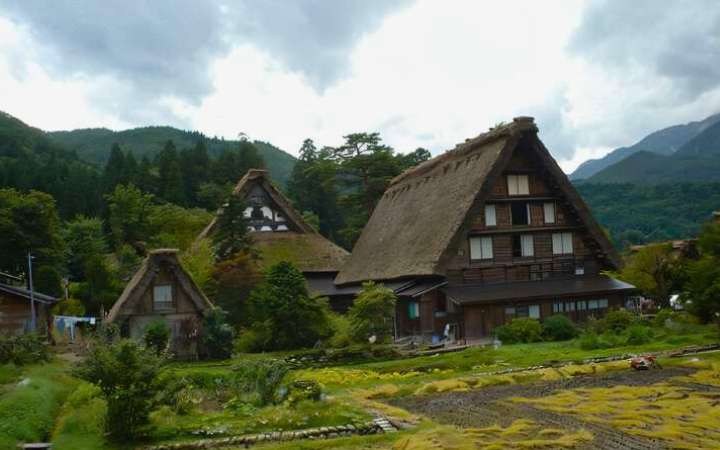
We begin the day with a trip to Takayama’s morning market, with stalls selling vegetables, crafts, pickles, and souvenirs. We will also visit one of Takayama’s preserved ‘heritage houses’ before wandering the Sanmachi area with its rows of old merchant houses, some open as museums. After lunch, we travel to the village of Ogimachi in the Shirakawa-go area northwest of Takayama. The village is home to a large number of gassho-zukuri houses and has been a UNESCO World Heritage site since 1995. These large wooden houses have steep thatched roofs designed to withstand heavy snow, and the term gassho-zukuri refers to the shape of praying hands formed by the roofs.
|
|
| 2025: Travel to Shirakawa-go |
|
- Minshuku (Family-run Guesthouse)
- Breakfast, Dinner
In the morning, you have a few more hours free to stroll and perhaps visit some museums, such as the Takayama Festival Floats Exhibition Hall, which displays some of the huge, elaborate floats used for the Takayama Festival, famous as one of the three most beautiful festivals of Japan. After lunch, we travel to the village of Ogimachi in the Shirakawa-go area north-west of Takayama. The village is home to a large number of gassho-zukuri houses and has been a UNESCO World Heritage site since 1995. These large wooden houses have steep thatched roofs designed to withstand heavy snow, and the term gassho-zukuri refers to the shape of praying hands formed by the roofs.
|
|
2026: Travel to Kanazawa
|
- Western-style hotel
- Breakfast
We leave the mountains today, travelling by bus to Kanazawa. Upon arrival in Kanazawa, we will visit the Samurai District and Kenrokuen Garden. Known as one of the top three gardens in Japan, Kenrokuen is a garden built by the region’s daimyō during the Edo period, with vast grounds and beautiful scenery that changes throughout the seasons. After exploring Kenrokuen, you will have some free time. We recommend visiting Ōmichō Market and the Higashi Chaya District, which is characterised by its traditional townscape that retains traces of the Edo Period.
|
|
|
|
- Western-style hotel
- Breakfast
We leave the mountains today, travelling first by bus to Kanazawa and then by train to Kyoto and our hotel in the centre of the city. In the evening we take a walk through the Gion district famous for its many ryotei (exclusive private restaurants) and the geiko (full-fledged geisha) or maiko (apprentice geisha). We also visit the Sanjo-ohashi Bridge, the western end of the Nakasendo Trail.
|
|
2026: Transfer to Kyoto
|
- Western-style hotel
- Breakfast
Leave Kanazawa and head to Kyoto by train. After arriving in Kyōto, we will experience tea ceremony at a long-established tea shop. This is a chance to learn about traditional Japanese culture, the aesthetic, and the spirit of hospitality. Then we will go to Nijō Castle. Nijō Castle is a historic castle in Kyōto City, built in 1603 by the shōgun Tokugawa Ieyasu. It was a base for demonstrating the authority of the Edo Shogunate and is famous for its Ninomaru Palace and beautiful murals. It is also known as the site of the Imperial Restoration in 1867 and is listed as a World Heritage Site.
|
|
|
|
- Western-style hotel
- Breakfast
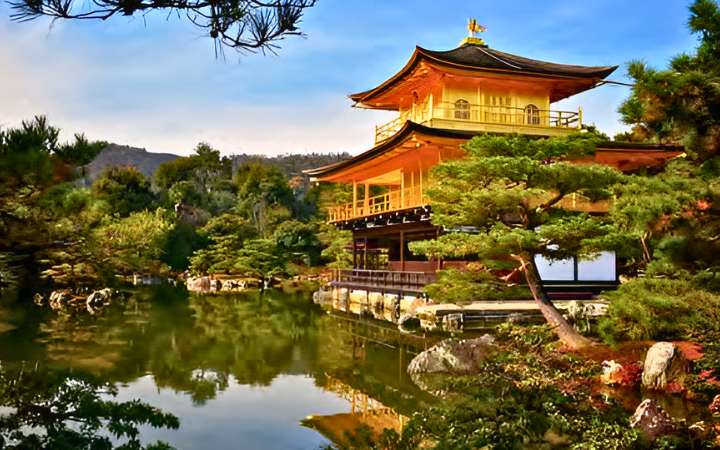
We have a half-day walking tour this morning. We visit the famous Kinkaku-ji, the Golden Pavilion, originally built by the Ashikaga Shogun in the 14th century as a place of contemplation and rest. From there, we will visit Ryoan-ji, with its famous rock garden of raked gravel and fifteen moss-covered boulders. You have free time in the afternoon so you can explore the area further or shop for crafts.
|
|
| Visit Nara before Reurning to Kyoto |
|
- Western-style hotel
- Breakfast
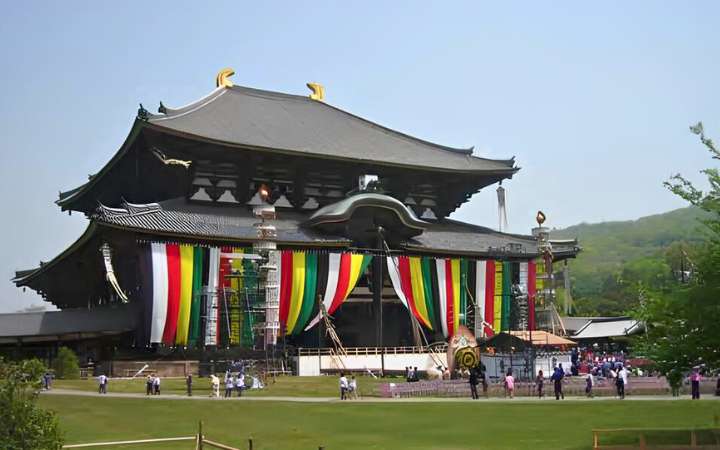
The ancient city of Nara, which preceded Kyoto as Japan’s capital from 710 to 784, is one hour south of Kyoto by train. We will visit Todai-ji temple, with its bronze statue of Buddha. The temple is said to be the largest wooden structure in the world. Next, we will visit the old merchant district of Nara-machi with its narrow streets, shops, cafes and restaurants, or we may instead walk along the back road from Todai-ji to Kasuga Taisha Shrine. Return to Kyoto in the evening.
|
|
|
|
- Shukubo (Pilgrims Lodging)
- Breakfast, Dinner
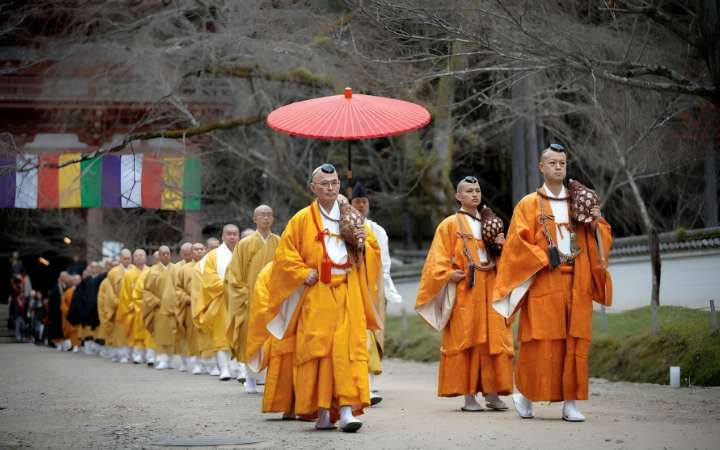
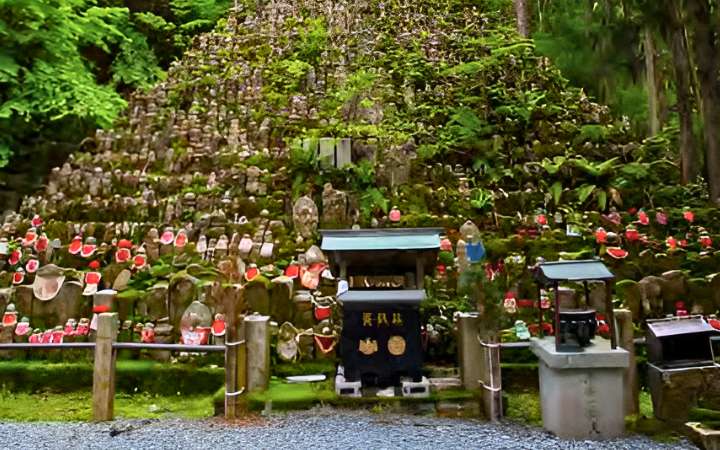
We travel first to Osaka by local train, then along the scenic Nankai Railway Line to Mount Koya, a bowl-shaped valley filled with cedars high in the mountains of the Kii Peninsula. Since the 9th century Mount Koya has been a place of religious devotion and ceremony. Today there are more than 100 monasteries, many of which have Shukubo (Pilgrims lodging). We stay in one of the elegant temples and dine on shojin-ryori (Buddhist vegetarian cuisine). We walk through the vast Okuno-in cemetery, with thousands of graves and memorials to feudal lords and other past luminaries.
|
|
|
|
- Western-style hotel
- Breakfast, Farewell Dinner
This morning you will have the opportunity to get up early (6am!) to join in the Buddhist service at the temple where we spent the night. We will travel to Ōsaka by train after breakfast. In Ōsaka, there will be a farewell dinner in the evening.
|
|
|
|
- Breakfast
The tour ends today after breakfast. Your guide will be on hand to offer assistance and advice for travelling to the airport if you have homeward flights, or on onward travel in Japan if you are extending your stay.
|
|