Roots of Japanese Cuisine Guided Tour from Australia |Japanese Cuisine, Cooking & Local Experiences | JTB Travel
Perfect for vegan travellers
Highlights
- Stay at an active temple and sample authentic Buddhist cuisine on Mount Kōya
- Discover the many applications of rice, including a visit to a vinegar brewery in southern Nara Prefecture
- Learn the art of earth-oven cooking in a traditional residence in Kyōto
- Wander through Kanazawa’s local food market and enjoy a cooking class featuring fresh ingredients
- Get hands-on with a wagashi-making workshop
- Meet local farmers on Awaji Island, where the fertile land and the bountiful sea once provided food for the imperial court in Kyōto.
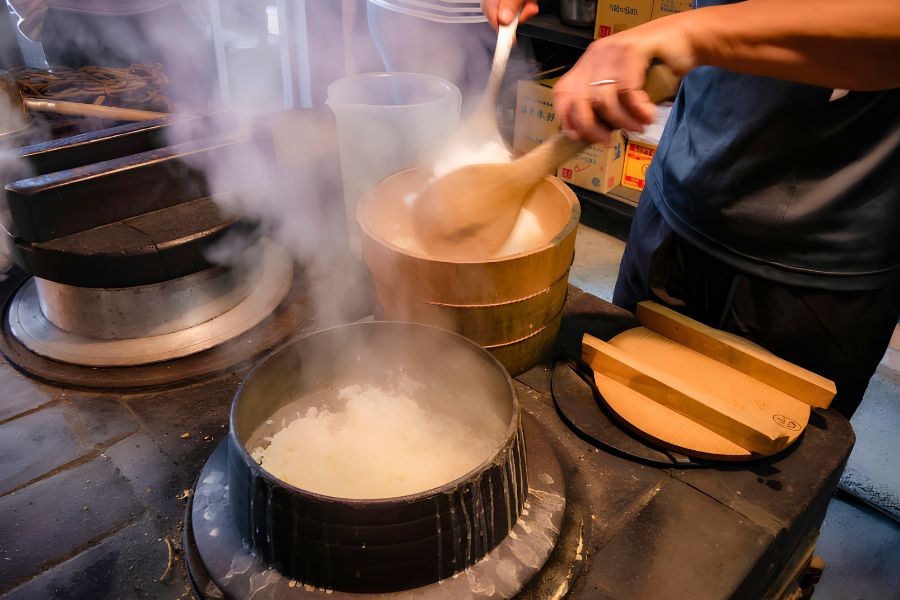
Food (especially rice products) plays an important role in Japanese spiritual practices and is offered to the deities in traditional ceremonies and rites. The influence of Buddhism, introduced via China and Korea in the 6th century, was central to the development of Japan’s culinary culture. In accordance with Buddhist principles, meat consumption was restricted for over a millennium until the reforms of the Meiji Restoration, which brought an influx of Western ideas. After the Emperor publicly ate beef in 1872, the practice of eating meat gradually became socially acceptable. This long history of cultural taboo gave rise to imaginative methods of enhancing natural flavours, shaping a creative plant-based cuisine that survives to this day.
We will journey from Kanazawa to Kyōto, via Ōsaka, Awaji Island, Mount Kōya and Nara Prefecture, exploring how diverse regions developed unique methods of farming, food preservation and cooking. From bustling cities to scenic countryside, we will discover Japan’s cultural heritage preserved in atmospheric shrines and temples and meet the young innovators working to sustain a rich culinary identity.
NOTE:
All meals included in this tour are vegan. Many traditional plant-based dishes and condiments contain wheat; therefore, gluten-free meal requests cannot be accommodated.
Tour itineraries are subject to change. We will inform you of any amendments as soon as we become aware of them.
|
|
 Western-style hotel Western-style hotel Welcome Dinner Welcome Dinner
Meet your guide and other group members at our accommodation in Kanazawa in the evening before we head out into the city centre for our welcome dinner, where you will receive more information about the tour activities.
|
|
| Visit Ōmichō Market and take part in a cooking class in Kanazawa |
|
- Western-style hotel
- Breakfast, lunch
On the Sea of Japan’s coast, Kanazawa, the former seat of the powerful Kaga domain, developed into a grand castle town with a sophisticated local cuisine.
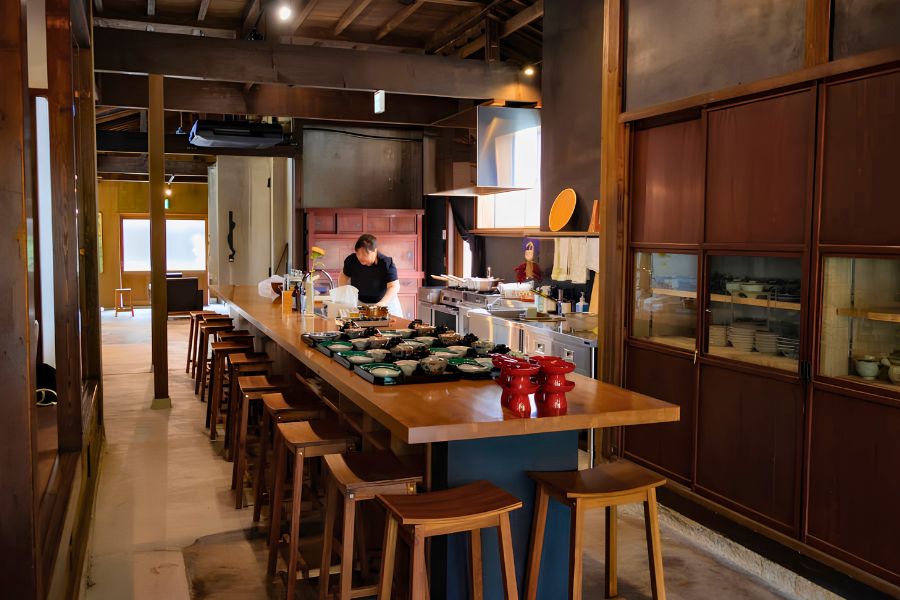
We visit a local food market known as ‘Kanazawa’s kitchen pantry’ with a local culinary expert, who will teach us how to transform our locally purchased ingredients into delicious dishes for lunch at a traditional residence. After lunch, we continue exploring Kanazawa's refined culture, visiting local stores selling traditional lacquerware and Kutani ware (a regional speciality porcelain).
|
|
| Travel to Ōsaka, Japan’s street food capital |
|
 Western-style hotel Western-style hotel- Breakfast, lunch, dinner
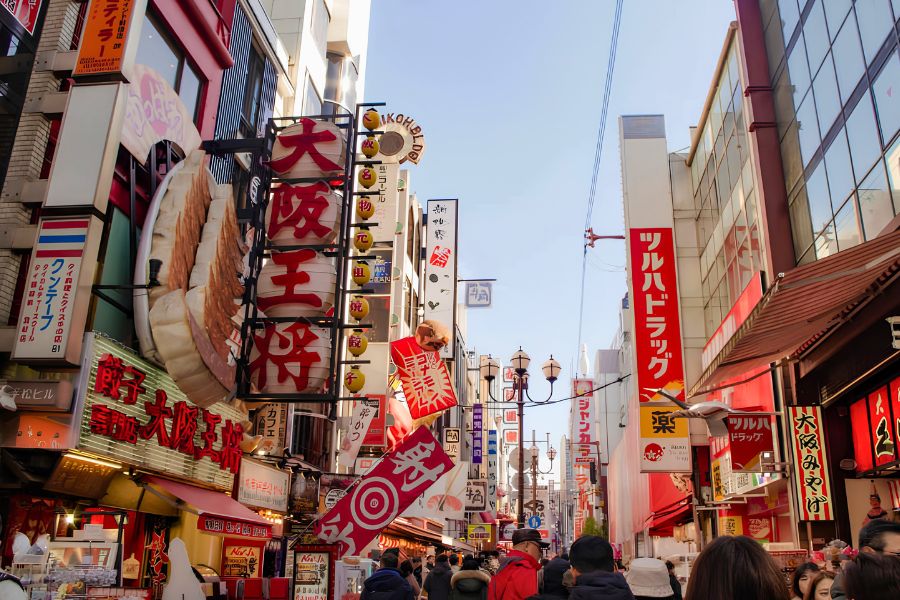
Riding the iconic shinkansen bullet train, while contemplating stunning views of the Sea of Japan, we speed on to our next destination: Japan’s second-largest city, Ōsaka. The region is famous for the unique local flavours of its authentic street food, such as okonomiyaki (a savoury Japanese pancake), a vegan version of which will be served for lunch. We will visit Doguyasuji Shopping Arcade, a paradise for kitchenware enthusiasts and a depachika, the term for the maze of gourmet shops found in the basement of Japan's department stores.
|
|
| Visit Awaji Island for farm-to-table experiences |
|
- Western-style hotel
- Breakfast, lunch
This morning, we take a private bus for the long ride to Awaji Island, the largest island in the Seto Inland Sea that connects mainland Japan to Shikoku. According to Japan’s creation myth, Awaji was the first island to rise from the ocean. We meet a friendly couple who show us around their farming project, which revitalised abandoned land. Later, a local expert teaches us how to use the farm’s produce to create our own personalised barazushi, a traditional colourful vinegared rice dish.
After lunch, we visit a producer whose mission is to combat waste by turning surplus production and foods that fail to meet quality standards into jarred foods. In the evening, we travel back to Ōsaka, where dinner is at leisure.
|
Tsunoda-san, Yokachoro Food Base
Tsunoda-san is an accomplished chef who, during his time as a restaurateur, sourced ingredients from local producers. Through these exchanges, Tsunoda-san formed a close relationship with suppliers in the community and witnessed firsthand the extent to which usable vegetables were discarded. In an effort to support local business, Tsunoda-san began crafting products from surplus vegetables, reducing waste and improving the sustainability of the region’s farming industry. 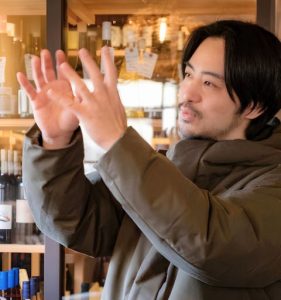 |
|
| Take a spiritual retreat on Mount Kōya |
|
- Shukubō (temple lodging)
- Breakfast, Dinner
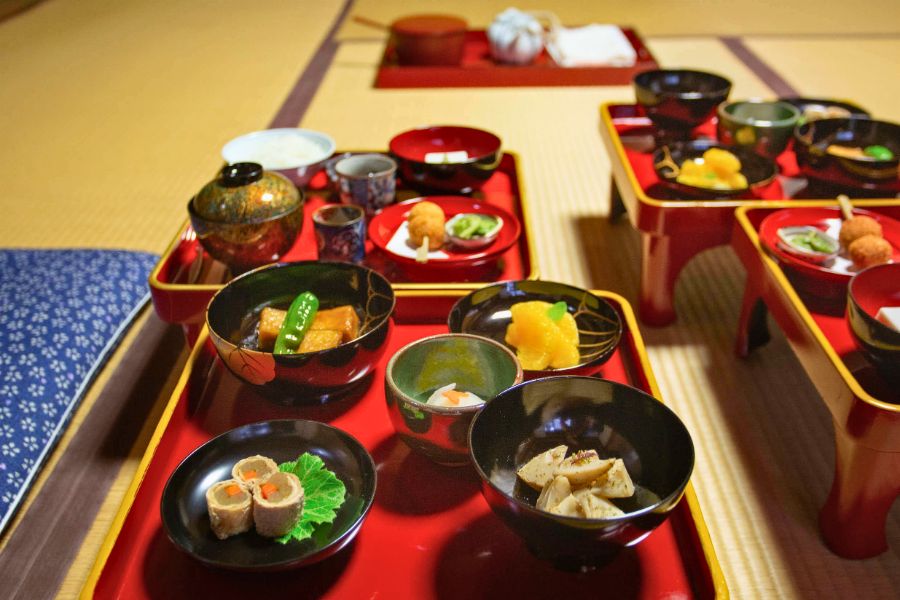
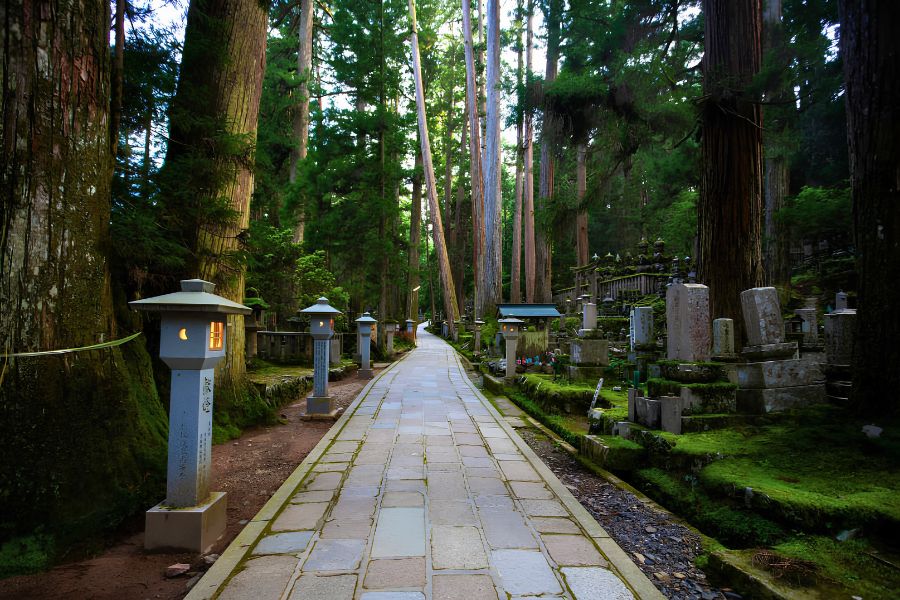
From Ōsaka, we travel by train to Mount Kōya, a complex of Buddhist monasteries in the mountains of the Kii Peninsula. Since the 9th century, Mount Kōya has been a place of religious devotion and ceremony. Today, there are over 100 monasteries, many of which offer shukubō temple lodgings. We stay in one of these elegant temples and dine on shōjin ryōri, or Buddhist cuisine. We wander through the vast Okunoin Cemetery, with thousands of graves and many memorials to feudal lords, before joining a workshop on the practical application of organic resources.
|
|
| Visit Ōmiwa Shrine and a traditional rice vinegar brewery in Nara Prefecture |
|
- Western-style hotel
- Breakfast, Dinner
In the morning, we travel to Sakurai to visit Ōmiwa, one of Japan’s oldest shrines. It is said to enshrine the deity of sake, the most important offering in Shintō rituals. According to local beliefs, drinking sake enables one’s spirit to find rest and harmony more easily, and sake brewed near the shrine’s grounds is considered particularly effective.
After lunch, we travel to the neighbouring town of Kashihara, where we visit a family-run vinegar brewery with a history dating back to 1658. The brewery employs traditional methods, fermenting sake in barrels made from cedar harvested from the family-owned forest nearby.
We stay at an accommodation overlooking the Yamato Plain, operated by the Nara Agriculture and Food International College. The hotel is proud to use local produce in the fresh vegetables served at dinner, and the charming wooden furniture.
|
Ōnishi-san, Mizuho vinegar brewery
Ōnishi-san is the 17th-generation owner of the Mizuho vinegar brewery. Determined to preserve his family's legacy, Ōnishi-san embraces traditional wooden-barrel fermentation methods while finding innovative solutions to the challenges of contemporary business. Alongside the brewery’s time-honoured products, Ōnishi-san has developed a range of fine non alcoholic vinegar drinks, which he hopes will highlight the benefits of wooden-barrel fermentation, which not only enhances taste but also contributes to the sustainability of this mountainous region’s historic forestry industry. |
|
| Move to Kyōto and make traditional wagashi sweets |
|
- Western-style hotel
- Breakfast
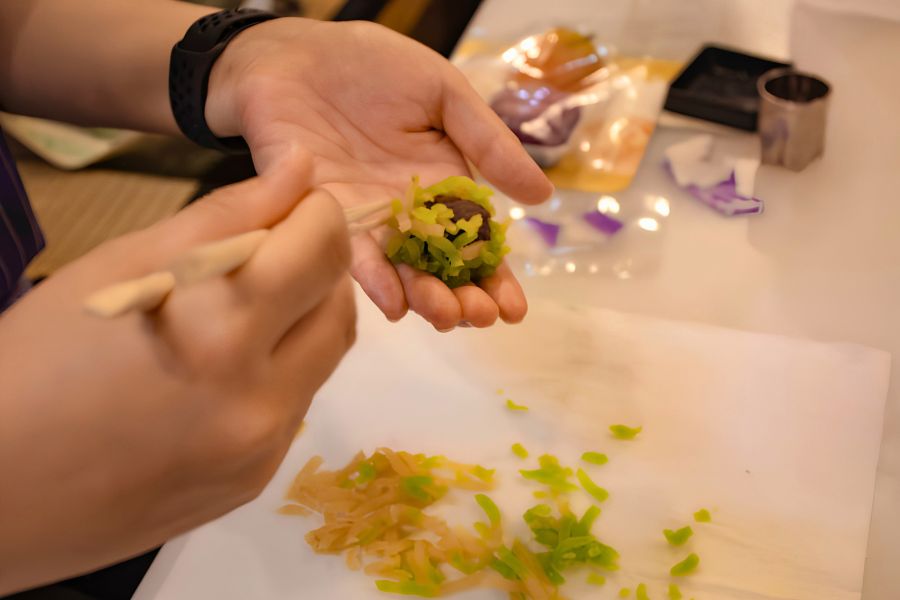
We travel to Kyōto and try our hand at making wagashi – traditional Japanese confectionery. Wagashi is typically plant-based, often prepared with sweetened red or white bean paste. It evolved as a sweet complement to the bitter matcha served in tea ceremonies. The refined shapes and colours of the sweets reflect the elegance of the tea ceremony and evoke the changing seasons. Creating your own wagashi provides insight into the zen philosophy that dominates classical Japanese aesthetics: the impermanence of the physical world and an enduring connection to the fleeting seasons.
Dinner is at leisure.
|
|
|
|
| Finish your tour in Kyōto |
|
- Western-style hotel
- Breakfast
Our tour ends after breakfast at the hotel in Kyōto. Your guide will offer advice on your journey to the airport or onward travel in Japan.
|
|
|
| Tour Length |
9 days
|
| Cost |
From AUD $7,412 per person, twin share
|
| Type and Level of Trip |
|
| What is Included |
- Full-time services of an English-speaking tour guide
- 8 nights in hotels and Japanese-style inns
- Daily breakfast, 6 lunches, and 5 dinners
- All transportation between tour locations(Kanazawa to Kyōto)
- Entrance to museums, facilities, and other sites on the group’s itinerary
- Forwarding of 1 item of luggage on 2 occations
- All cooking experiences and workshops
|
| What's Not Included |
- Flights
- Airport transfers
- Drinks and meals not included in the itinerary
- Entrance fees for sites and activities not mentioned in the itinerary
- Single room supplement(s) for solo travellers at hotels
|
| Dates |
2027:
|
| Important |
Due to the rural nature of this tour, slight alterations of the itinerary are possible. |