Mountain Spirits Tohoku

Mountain Spirits Tohoku Tour from Australia | Sacred Peaks, Hot Springs & Culture | JTB Travel

Dramatic peaks and soothing hot springs of the north. A small-group guided walking tour with 6 days of walking and hiking of 2-6 hours per day.

From AUD $7,941 per person, twin share

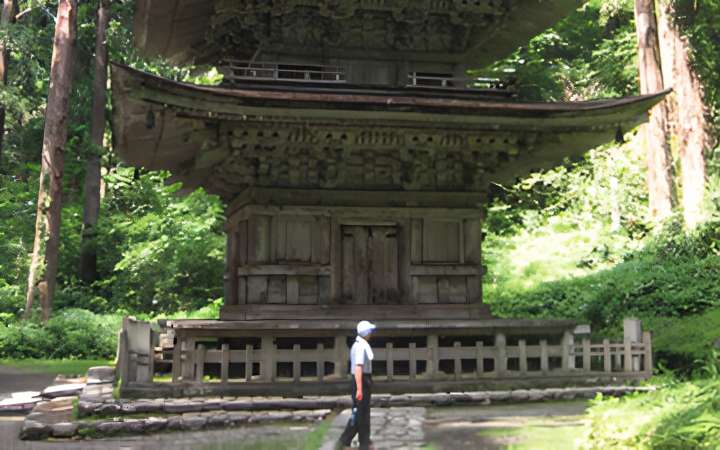
Historic wooden pagoda temple surrounded by lush forest in Japan’s sacred Dewa Sanzan mountains — a spiritual pilgrimage site with deep cultural and religious significance
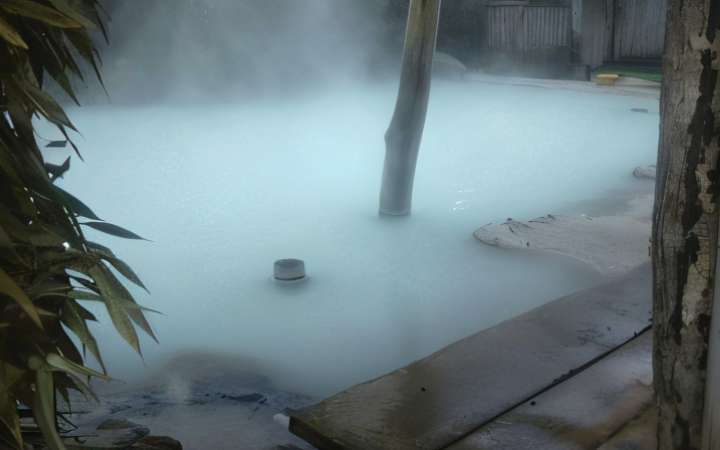
Milky-blue outdoor onsen hot spring surrounded by steam and nature in Tohoku, Japan — a serene geothermal retreat known for its healing mineral waters
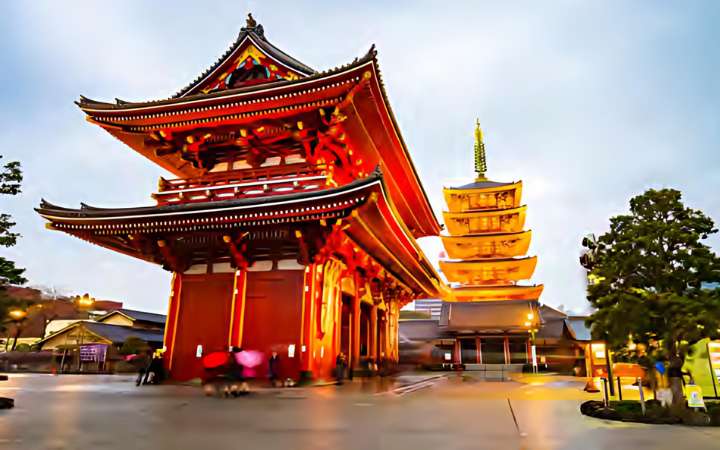
Senso-ji Temple in Asakusa, Tokyo, Japan – iconic Buddhist temple with giant red lantern, historic Kaminarimon Gate, and vibrant traditional culture

Highlights

  • Explore the lovely old Yanaka neighbourhood of Tokyo
  • Walk through the beautiful Oze Marsh
  • Stay in temple lodgings at the three sacred peaks of the Dewa Sanzan
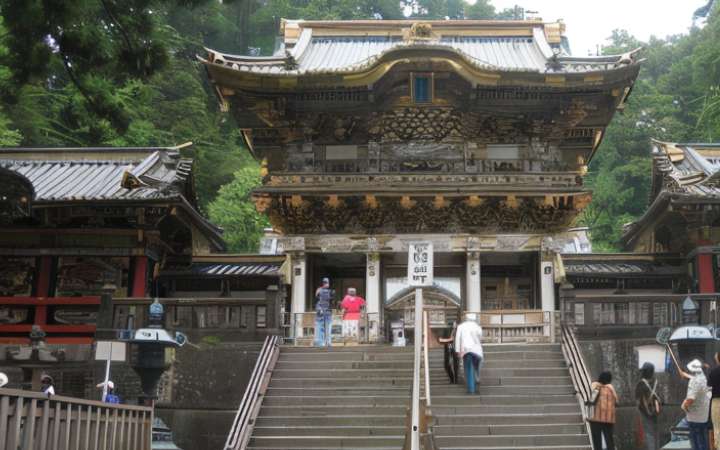
  • Gaze at the fabulous Tōshōgū Shrine in Nikkō
  • Bathe in a hot spring bath at an enchanting traditional inn
  • Discover the folklore of Tōno Valley

Our journey takes us north from Tōkyō to a landscape rich in spirituality and tradition. Though off the established tourist circuit, the sights of northern Japan rival anywhere in the country in their beauty and atmospheric grandeur. We visit both the better-known, magnificent destinations, such as the UNESCO World Heritage site of Tōshōgū shrine at Nikkō and Dewa Sanzan, as well as the region’s more remote hot springs and beautiful national parks. We take exhilarating walks through beautiful scenery in the Oze Marsh, Mount Gassan, and Tōno Valley.

The Japanese poet Matsuo Bashō travelled through this region in the 17th century, a journey subsequently published as The Narrow Road to the Deep North. We will visit several of the places which inspired his famous haiku poems. Our small group stays at traditional ryokan and minshuku inns in the countryside – always with wonderful service and beautifully prepared regional cuisine featuring fresh local ingredients. Natural hot spring baths are highlights of our journey. At Tochio near Oze, our hot spring ryokan has open-air baths next to a rushing river, while at Nyūtō Onsen near Lake Tazawa, the 300-year-old Tsuru-no-yu Ryokan has eight baths, some with the famous milky-white spring water. The tour begins and ends in Tōkyō, with time for sightseeing and shopping.

NOTE:

Tour itineraries are subject to change. We will inform you of any amendments as soon as we become aware of them.


  • Day
  • 1
Meet in Tokyo 
  • Hotel Western-style Hotel
  • Meal Welcome Dinner

Meet your guide and other group members at the tour hotel in central Tokyo in the evening. There will be a Welcome Dinner at a nearby local restaurant.

  • Day
  • 2
Sightseeing in Tokyo
  • Hotel Western-style Hotel
  • Meal Breakfast

Our first full day in Japan will be spent on a walking tour of Tokyo. We begin with the historic Yanaka neighbourhood, strolling past small temples, shops, and traditional houses. Continuing to Asakusa, we visit Tokyo’s oldest temple Senso-ji, completed in 645 and approached via the Kaminarimon Gate with its giant red lantern. From Asakusa we board a boat and cruise on the Sumida River to the historic Hamarikyu Garden, with the striking backdrop of gleaming towers in the new Shiodome area.

  • Day
  • 3
Travel to Nikko and Visit Toshogu Shrine
  • Walking 5.6 km / 3.5 mi
  • Walking 2 hours
  • Traditional Japanese Ryokan Inn Ryokan (Traditional Japanese Inn)
  • Meal Breakfast, Dinner

We board a train this morning for the journey out of Tokyo to Nikko, two hours to the north. The forests and mountains of Nikko have been sacred to the Japanese for 1,200 years, and it was here that in 1617 the Shogun Tokugawa Ieyasu had himself enshrined at Tosho-gu. These extravagantly ornate buildings are now on the list of UNESCO World Heritage sites and we will take a guided walking tour of the main shrine structures. Afterwards we relax at our inn situated along a small river valley. We enjoy a sumptuous dinner of Japanese food served by the gracious Ryokan staff.

  • Day
  • 4
Walk Oze Marshland 
  • Walking 14.5 km / 9 mi
  • World Heritage site 300 m / 985 ft ascent and 200 m / 655 ft descent
  • Walking 4 hours
  • Traditional Japanese Ryokan Inn Yamagoya (Mountain Lodge)
  • Meal Breakfast, Dinner

We travel for two hours on a series of mountain roads to the start of our walk into Oze Marshland. A two-hour hike brings us to the marshland high in the mountains of Nikkō National Park. This beautiful area is a haven for wildflowers and plants. We stay at a friendly mountain lodge next to Lake Ozenuma.

  • Day
  • 5
Hike Through Oze Marshland to Ozegahara
  • Walking 16 km / 10 mi 
  • World Heritage site 250 m / 820 ft ascent and 150 m / 490 ft descent
  • Walking 6 hours
  • Traditional Japanese Ryokan Inn Onsen Ryokan (Hot-Spring Inn)
  • Meal Breakfast, Dinner
  •  

After an early breakfast, we hike through the Oze Marshland to the Oze-ga-hara area where boardwalks are laid out amongst the marshes. We continue to the northern edge of the marsh, where a bus will take us through a long valley to Okutadani lake and a boat ride to the opposite side. Another short bus ride will bring us to Tochiomata hot spring, where we stay in a lovely traditional Ryokan, enjoying a dip or two in the open-air hot spring baths.

  • Day
  • 6
Visit Dewa Sanzan 
  • Walking 3.2 km / 2 mi
  • World Heritage site ascending the steps to Haguro-san
    (if we stay in lodgings at the base of the mountain, we will walk on these steps tomorrow instead)
  • Walking 1.5 hours
  • Traditional Japanese Ryokan Inn Shukubo (Temple Lodging)
  • Meal Breakfast, Dinner

We take a bus to the nearby town of Koide, transferring to the shinkansen (Bullet train) for our continuation north, following the picturesque Japan Sea coast for part of the way. Our destination is Dewa Sanzan (literally “Three peaks of Dewa”), which refers to the three sacred peaks of Haguro-san, Gas-san, and Yudono-san. The lowest of the three, Haguro-san is spiritual home of the Shugendo sect, a mixture of the native Shinto belief and Buddhism. Mountain ascetics known as yamabushi can still be seen with their conch shells, used to call the spirits. We will also visit Gyokusenji temple. Said to have been founded in 1251 by the Zen monk Ryonen Homyo Zenji. We will take a peaceful moment to enjoy the view of the garden while participating in the tea ceremony. From Gyokusenji we will head to a lovely Shukubo (pilgrims lodgings) where we stay tonight. Dinner is a meal of shojin-ryori, vegetarian Buddhist cuisine.

  • Day
  • 7
Hike Mount Gas-san
  • Walking 9.5 km / 6 mi
  • World Heritage site 600 m / 2,000 ft ascent and 600 m / 2,000 ft descent
  • Walking 4.5 hours
  • Traditional Japanese Ryokan Inn Shukubo (Temple Lodging) 
  • Meal Breakfast, Dinner

A local bus brings us to the start of our hike on Mount Gas-san. The highest of the three sacred mountains, Gas-san is covered in deep snow for much of the year. The mountain is officially “opened” each year with a ceremony at the Shinto shrine at the summit, which we will reach following a two- and half-hour climb. Along the hike there are lovely small ponds formed by the melting snow and an abundance of alpine flowers.
After a picnic lunch, we will retrace our steps down the mountain and head to the entrance of Haguro-san. We will walk up a beautiful staircase of 2,446 stone steps through giant cedars to the summit, At the top, pilgrims in their white coats head for the Dewa Sanzan shrine with its massive thatched roof, which we visit before returning to Shukobo lodging for dinner.
Following dinner there will be an optional visit to a nearby natural hot spring.

  • Day
  • 8
Travel to Kakunodate and Nyuto Onsen
  • Hotel Onsen Ryokan (Hot-Spring Inn)
  • Meal Breakfast, Dinner 

This morning, we leave the Dewa Sanzan area. Our first stop is Kakunodate, a former feudal town with well-preserved samurai residences. We walk through the former samurai quarter, with an opportunity to visit one of the elegant houses, before arriving at the merchants’ area. Lastly, we will continue to Nyūtō Onsen, a hot spring town in which each hot spring has its own unique water source. We check in to our beautiful hot spring ryokan for the night, and in the evening we will dine around a traditional sunken irori hearth.

  • Day
  • 9
Explore Nyuto Onsen
  • Walking 9.5 km / 6 mi
  • World Heritage site 600 m / 2,000 ft ascent and 600 m / 2,000 ft descent
  • Walking 5 hours
  • Traditional Japanese Ryokan Inn Onsen Ryokan (Hot-spring Inn)
  • Meal Breakfast, Dinner

After breakfast, we head off along a path climbing towards Mount Nyuto for spectacular views of the surrounding mountains and Lake Tazawako to the south. The length of the walk and route will be decided locally based on the weather conditions. Those wishing for a more relaxed day can stay and soak in the hot springs, or try some short walks along the valley floor.

  • Day
  • 10
Travel to Tono Valley 
  • Traditional Japanese Ryokan Inn Western-style Hotel or minshuku (family-run guesthouse)
  • Meal Breakfast, Dinner

Today we will travel by road to Tono, famous in Japan for its rich folklore. This rural community set in a broad green valley takes immense pride in its folk tales, which feature such characters as the Kappa, child-sized beings that live in or near rivers. The local people have a strong pride in their culture and myths, and have worked hard to preserve them.

  • Day
  • 11
Return to Tokyo 
  • Walking 25 km / 16 mi
  • World Heritage site negligible ascent and descent
  • Walking 2 hours
  • Hotel Western-style Hotel
  • Meal Dinner, Breakfast

In the morning, we rent bicycles and cycle slowly along the quiet country lanes of the wide Tono Valley. Depending on the time of year, we may see rice being harvested. After lunch we will take the local train to Shin-Hanamaki and catch the shinkansen Bullet Train back to Tokyo, arriving early evening.

  • Day
  • 12
Sightsee in Tokyo 
  • Hotel Western-style Hotel
  • Meal Farewell Dinner

There will be a free day today in Tokyo, for shopping, visiting a museum, or simply wandering through the city. In the evening there will be a Farewell Dinner with your guide at a local restaurant.

  • Day
  • 13
Finish Tour in Tokyo
  • Meal Breakfast,

The tour ends today after breakfast. Your guide will be on hand to offer assistance and advice for travelling to the airport if you have homeward flights, or on onward travel if you are extending your stay in Japan.


Tour Length 

13 days 

Cost

From AUD $7,941 per person, twin share

Type and Level of Trip

Type: Guided tour with an expert bilingual guide

Technical Level: The trail is mostly on uneven terrain, with stepping over rocks or logs and stream crossing often required. Chains or ropes may be installed in these areas to help overcome the terrain. Waymarking is sparse or subtle, so map-reading ability is essential, and we recommend using a GPS device or application.

Activity level: Intermediate – Our Intermediate-level tours often include multiple dedicated days of trail walking, with some days of up to six hours or more and significant ascents and/or descents.

What is Included
  • Full-time services of an English-speaking tour guide
  • 12 nights in hotels and Japanese-style inns
  • Daily breakfast & 10 dinners
  • All transportation between tour locations
  • Entrance to museums, temples, and other sights on the group’s itinerary
  • Forwarding of 1 item of luggage on 4 occasions
  • Cycling in Tōno Valley
What’s Not Included
  • Flights
  • Airport transfers
  • Drinks and meals not included in itinerary
  • Entrance fees to museums, temples, etc. not mentioned in the itinerary
  • A single room supplement for solo travelers at hotels
Dates

TBA

Important Due to the rural nature of this tour, slight alterations of the itinerary are possible.

Historic wooden pagoda temple surrounded by lush forest in Japan’s sacred Dewa Sanzan mountains — a spiritual pilgrimage site with deep cultural and religious significance
Milky-blue outdoor onsen hot spring surrounded by steam and nature in Tohoku, Japan — a serene geothermal retreat known for its healing mineral waters
Senso-ji Temple in Asakusa, Tokyo, Japan – iconic Buddhist temple with giant red lantern, historic Kaminarimon Gate, and vibrant traditional culture


    I consent to receive communications by email. I understand I may opt out at any time using the unsubscribe link provided in all communications *
    We are aware of our responsibility to protect your personal data. We act in accordance with the principles introduced by applicable legal regulations and the general principle on good faith in the processing of personal data.
    We determine clearly and precisely its legitimate and lawful purpose for processing personal data and process personal data to the extent necessary and in connection with the products and services we offer.
    We transfer your personal data in compliance with applicable laws and only when it is necessary. We take required technical and administrative measures to protect your personal data and also we ensure that Data Processors take administrative and technical measures regarding data security by signing non-disclosure agreements.


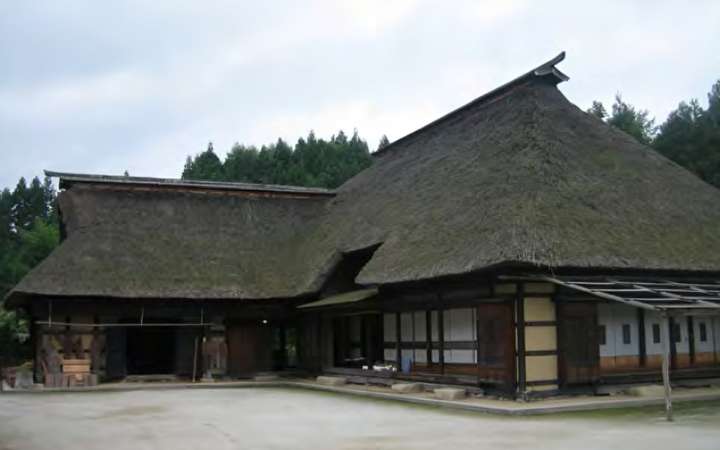
    Traditional farmhouse in Tōno, Japan – scenic rural landscape in Iwate Prefecture known for folklore, thatched-roof houses, and authentic countryside charm
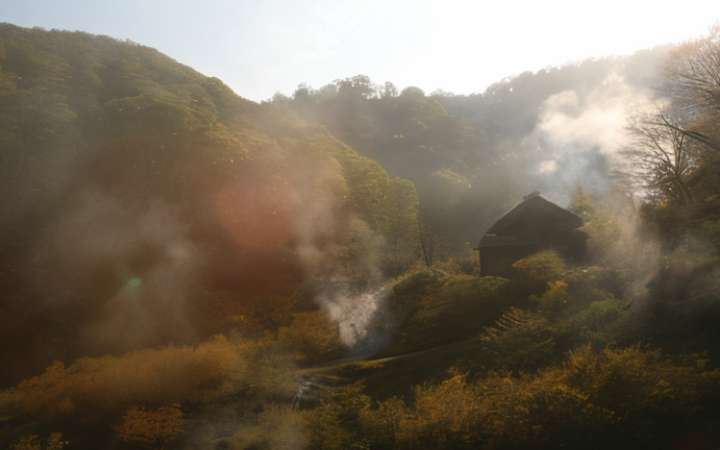
    Steam rising from a secluded mountain onsen in the misty hills of Tohoku, Japan — a tranquil hot spring retreat surrounded by lush forest and natural beauty
    Ornately decorated Toshogu Shrine in Nikko, Japan — a UNESCO World Heritage Site known for its intricate carvings, vibrant colors, and the final resting place of Tokugawa Ieyasu