Shoguns & Samurai 11-Day Japan Tour from Australia |Shoguns, Samurai, Onsen & Traditional Villages | JTB Travel
Discover the charm of central Japan. Explore history, culture and nature on a small-group guided cultural tour.
Highlights
- Explore the old imperial capital of Kyōto
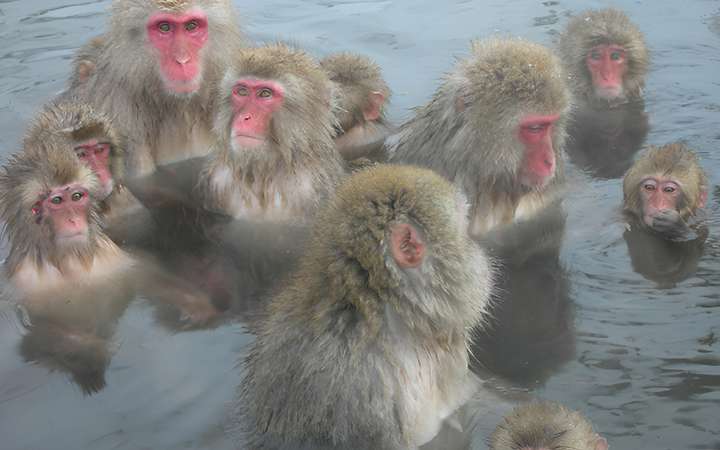
- See the snow monkeys of Yudanaka Onsen
- Visit a sake brewery in Nagano and search for handicrafts in the lovely city of Takayama
- Bathe in the natural thermal waters of Japan's traditional onsen
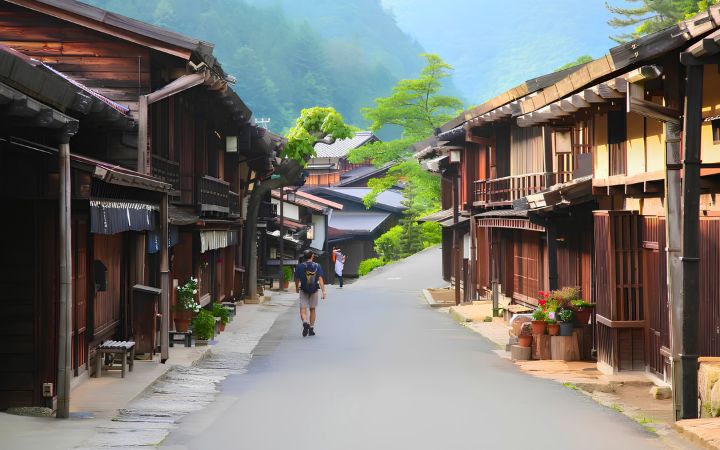
- Visit the exquisitely preserved villages of Tsumago and Magome
- Stay in monastery lodgings in the temple town of Mount Kōya
Central Japan is a region of tall mountain ranges and fast-flowing rivers. It wasn’t until recently that roads reached the more remote villages, and today many remain remarkably well-preserved and evocative of centuries past. Our journey takes us through Japanese history from modern Tōkyō, known as Edo during Japan’s period of rule by the shōgun, to end in Kyōto, Japan’s capital for 1,000 years and the repository of much of the country's cultural heritage. From Tokyo, we begin our journey with a visit to the historic Zenkō-ji Temple, said to enshrine Japan's oldest Buddha statue, before continuing to Yudanaka Onsen, where charming 'snow monkeys' come to enjoy the natural hot spring baths just like humans.
In feudal times, people travelling from Kyōto to Tōkyō would use the Nakasendō trail – the road through the central mountains – one of a network of ancient highways. We will visit one of the best-preserved sections in the Kiso Valley, where the lovely villages of Tsumago and Magome have been immaculately restored.
NOTE:
Please note that Tour itineraries are subject to change. We will inform you of any amendments as soon as we become aware of them.
|
|
 Western-style hotel Western-style hotel Welcome Dinner Welcome Dinner
Meet your guide and other group members at the tour hotel in central Tōkyō in the evening. There will be a welcome dinner at a local restaurant.
|
|
| Travel to Zenko-ji Temple and Yudanaka Hot Spring |
|
- Ryokan (traditional Japanese inn)
- Breakfast, dinner
We travel this morning to Zenkō-ji in Nagano Prefecture, northwest of Tōkyō.
Zenkō-ji is a historic temple in Nagano City, boasting a history of approximately 1,400 years. Its principal image is said to be the oldest Buddhist statue in Japan, and is worshipped by many people regardless of sect. The main hall has been designated as a national treasure and is a sacred site; many say that one should visit Zenkō-ji Temple at least once in one's lifetime.
Afterwards we make the short journey to Yudanaka Onsen, a hot spring village famous for its ‘snow monkeys’. The Japanese macaques originally came here to warm themselves in the outdoor hot spring bath during the cold winters and now come all year round.
|
|
|
|
|
Head to Matsumoto and the Nakasendo Post Town of Narai
|
 Ryokan (Traditional Japanese Inn) Ryokan (Traditional Japanese Inn) - Breakfast, Dinner
We travel first to the city of Matsumoto to see its beautiful castle, built in the 16th century. After lunch we continue to the Kiso Valley and the small town of Narai, an atmospheric example of a post town on the ancient Nakasendō Way between Kyōto and Tōkyō (or Edo as the city was known in the feudal period). There are many well-preserved houses and former inns.
Accommodation: Minshuku (family-run guesthouse)
Meals: Breakfast, dinner
|
|
| Travel to the Post Town of Tsumago and Magome |
|
- Onsen hotel (hot spring hotel) or minshuku (family-run guesthouse)
- Breakfast, Dinner
After breakfast, there will be time to wander the beautiful streets of Narai. The village is a good place to buy lacquerware and woodcrafts; afterwards, train and bus journeys bring us to the village of Tsumago. Another of the post towns on the former Nakasendō trail, Tsumago has been beautifully preserved – a living museum still inhabited by the local residents. Wander the streets and taste gohei mochi, skewered balls of pounded sticky rice covered in a sweet paste of miso, sesame, and walnuts before visiting the folk museum.
Later, continue to nearby Magome, another beautifully restored post-town on the historic Nakasendō road. With its stone-paved streets, traditional wooden buildings, and panoramic views over the Kiso Valley, Magome offers a charming glimpse into Japan's Edo-period. After exploring the village, transfer to your accommodation for the night.
|
|
|
|
- Onsen hotel (hot spring hotel)
- Breakfast, Dinner
After breakfast, we travel to Takayama, a historic city that has retained much of its traditional architecture and is well-known for its crafts, particularly yew-wood carving, Shunkei lacquerware, pottery, and furniture.
After arriving at our inn, there may be time to explore the surrounding areas and relax in a hot spring bath before dinner. In the evening, we will try the local Hida beef and perhaps some locally brewed sake.
|
|
| Explore Takayama and Travel to Shirakawa-go |
|
- Minshuku (family-run guesthouse)
- Breakfast, Dinner
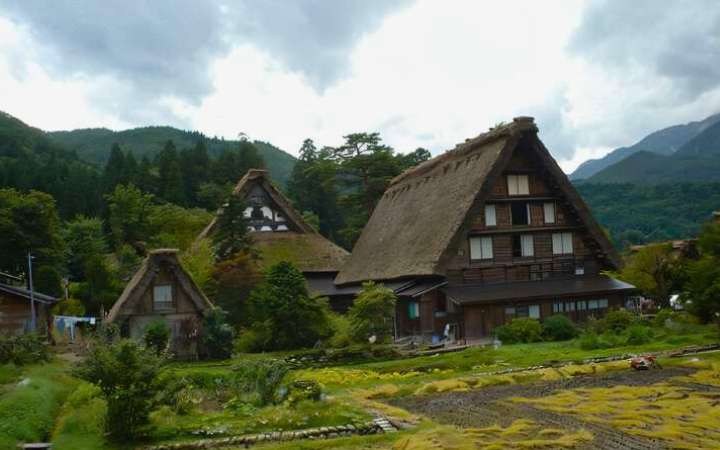
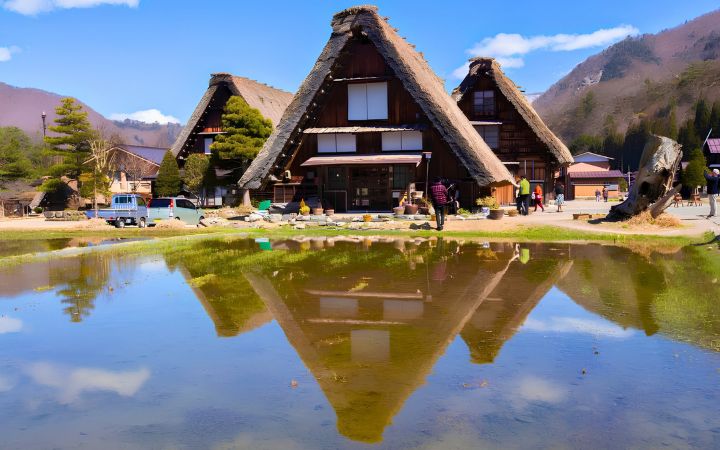
We begin the day with a trip to Takayama's morning market, where stalls sell vegetables, crafts, pickles, and souvenirs. We will also visit one of Takayama's preserved 'heritage houses' before wandering the Sanmachi area with its rows of old merchant houses, some of which are open as museums. After lunch, we travel to the village of Ogimachi in the Shirakawa-go area northwest of Takayama. The village is home to many gassho-zukuri houses and has been a UNESCO World Heritage site since 1995. These large wooden houses have steep thatched roofs designed to withstand heavy snow, and the term gassho-zukuri refers to the shape of praying hands formed by the roofs.
|
|
|
|
- Western-style hotel
- Breakfast
We leave the mountains today, travelling by bus to Kanazawa. Upon arrival in Kanazawa, we will visit the Samurai District and Kenrokuen Garden. Known as one of the top three gardens in Japan, Kenrokuen is a garden built by the region's daimyō during the Edo period, with vast grounds and beautiful scenery that changes with the seasons.
After exploring Kenrokuen, you will have some free time. We recommend visiting Ōmichō Market and the Higashi Chaya District, which is characterised by its traditional townscape that retains traces of the Edo Period.
|
|
|
|
- Western-style hotel
- Breakfast
Leave Kanazawa and head to Kyōto by train.
After arriving in Kyōto, we will experience tea ceremony at a long-established tea shop. This is a chance to learn about traditional Japanese culture, the aesthetic, and the spirit of hospitality.
Then we will go to Nijō Castle. Nijō Castle is a historic castle in Kyōto City, built in 1603 by the shōgun Tokugawa Ieyasu. It was a base for demonstrating the authority of the Edo Shogunate and is famous for its Ninomaru Palace and beautiful murals. It is also known as the site of the Imperial Restoration in 1867 and is listed as a World Heritage Site.
|
|
|
|
- Shukubō (temple lodging)
- Breakfast, dinner
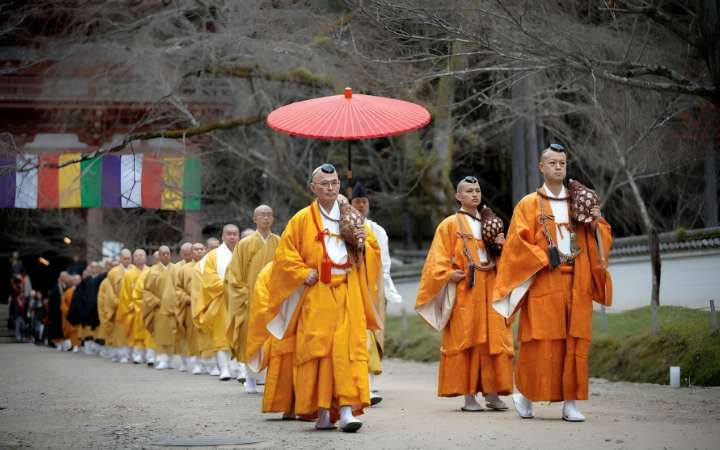
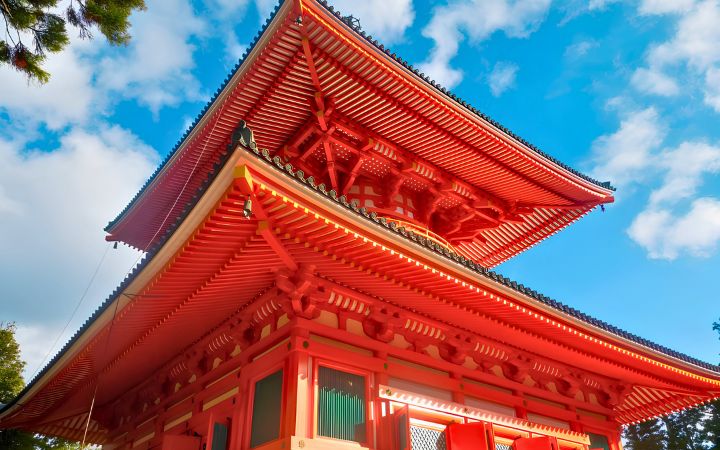
We travel first to Ōsaka by local train, then along the scenic Nankai Railway Line to Mount Kōya, a complex of Buddhist monasteries in the mountains of the Kii Peninsula. Since the 9th century, Mount Kōya has been a place of religious devotion and ceremony. Today there are over 100 monasteries, many of which have shukubō temple lodging.
We stay in one of the elegant temples and dine on shōjin ryōri Buddhist vegetarian cuisine. We walk through the vast Okunoin Cemetery, with thousands of gravesand memorials, including those of feudal lords and other past luminaries.
|
|
|
|
- Western-style hotel
- Breakfast, farewell dinner
This morning you will have the opportunity to get up early (6 am!) to join in the Buddhist service at the temple where we spent the night.
We will travel to Kyōto by train after breakfast. In Kyōto, there will be a farewell dinner in the evening.
|
|
|
|
- Breakfast
The tour ends today after breakfast. Your guide will be on hand to offer assistance and advice for travelling to the airport if you have homeward flights, or on onward travel in Japan if you are extending your stay.
|
|
| Tour Length |
11 days
|
| Cost |
From AUD $7,941 per person twin share
|
| Type and Level of Trip |
Type: Guided tour with an expert bilingual guide
Technical level: Walking routes are either paved or along well-maintained dirt trails and require no particular map-reading ability or route-finding skills.
Activity level: Gentle - Our Gentle-level walking tours will have you on your feet for much of the day in order to experience all the sights.
|
| What is Included |
- Full-time services of an English-speaking tour guide
- 10 nights in hotels and Japanese-style inns
- Daily breakfast and 8 dinners
- All transportation between tour locations
- Forwarding of 1 item of luggage on 2 occasions
- Entrance fees for sites and activities listed on the group's itinerary
- Sake brewery visit
|
| What's Not Included |
- Flights
- Airport transfers
- Drinks and meals not included in itinerary
- Single room supplement for solo travellers at hotels
- Entrance fees for sites and activities not listed in 'What is Included'
|
| Dates |
2027:
- 06/09/2027
- 18/10/2027
- 08/11/2027
*** Subject to availability. Please contact us for the most up-to-date availability ***
|
| Important |
Due to the rural nature of this tour, slight alterations of the itinerary are possible. |