Japan’s Culinary Heritage Tour from Australia | Authentic Japanese Food & Culture Tour | JTB Travel
A small-group guided food tour through Japan's best-kept culinary traditions
Highlights
- Visit Kanazawa's beloved local food market with a local guide, and learn about the region's home cooking
- Learn the art of earth-oven cooking in a traditional home in Kyōto
- Visit Awaji island to learn about its seafood culture and enjoy a beach lunch with a local food-designer chef
- Get hands-on with history during a visit to Sakai City, famous for high-quality Japanese kitchen knives
- Learn about wild vegetables with an expert forager
- Learn more about tea culture in Uji, Kyōto
Please note: due to the special focus of this tour on Japan's culinary heritage, which includes meat, fish, seafood, soy sauce, miso, and items made from wheat, we are unable to accommodate any dietary requests for this tour. For vegan travellers, we offer an alternative, vegan-friendly itinerary.
This culinary journey visit's famous locations like the ancient imperial capital of Kyōto, as well as hidden rural villages and culturally unique Awaji Island in the fabled Inland Sea, where culinary traditions have been handed down from generation to generation. Foraging for wild ingredients, harvesting the bounty of the land, cooking with emblematic figures and alongside members of local communities, this culinary adventure will show you how food is one of the most intimate ways to uncover Japan’s history and culture.
Japan is blessed with rich natural products from satoyama, the border area between flat arable land where rice is grown and the mountains. Managed sustainably over centuries, satoyama areas are biologically diverse and support a wide variety of wildlife throughout four seasons, offering a great variety of dishes and regional specialities. Japanese cuisine's unique qualities are the product of a long tradition of respect for the harvest of ingredients, and for nature itself.
Food culture in Japan is also closely related to festivals and rituals and reflects the way of life in each particular region. Travelling from mountain villages to fishing ports, staying in rural thatched-roof houses and dazzling cities, and experiencing the food and the culture, you will awaken your senses and share unforgettable moments with people you’ll meet on your journey.
Our adventure starts in Tōkyō and takes us to the local food market in Kanazawa, followed by then hunting for wild mountain vegetables in the village of Toga. Next, we travel to Shirakawa-go, a World Heritage Site, and Takayama, where we take in the beautifully preserved traditional architecture. In Sakai City in Ōsaka, an area famous for its steelwork, we learn about the art of Japanese knives and the forges that make them. We visit a fishing port on Awaji Island before heading to Uji where we learn more about Japan's unique tea culture and the origin of sencha tea. Our tour ends in Kyōto City, where we learn how to cook using the traditional method of an earth oven stove known as an okudo-san and explore central Kyōto.
Exclusive behind-the-scenes experiences:
Nakanishi-san (sake brewer) - Community-hosted lunch in Gokayama
Toga-mura is a small-scale local community in the hidden valley of Gokayama. Ueda-san is a Sansai (wild vegetable) specialist and Nakanishi-san cultivates rice to brew Doburoku sake. They will take us foraging for seasonal produce and we'll call at villagers' houses on the way, tasting some home-preserved Sansai. The villagers will collaborate to produce a community-hosted lunch for us.
Chef Shinse - Foodscape beach lunch on Awaji Island
Rendez-vous on the coast for the ultimate beach lunch experience…your chef today is a real artist and will prepare for you his signature “Foodscape”. Using locally harvested ingredients, he applies his inspiration to create an edible landscape that will delight all your senses.
Baba Cutlery Works - Craftsmanship inherited from father to son
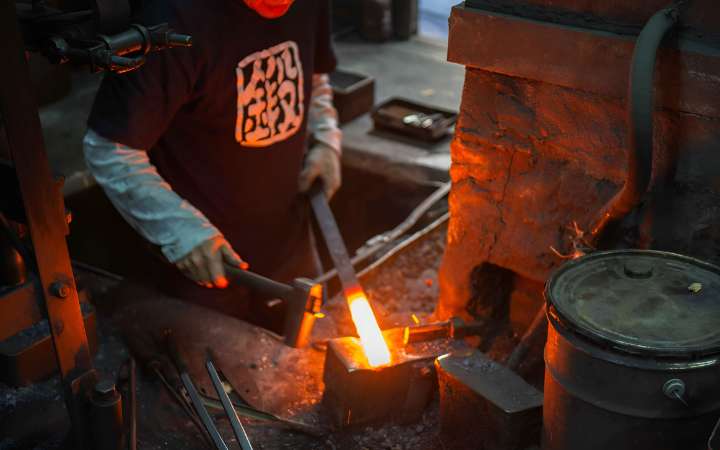
Sakai-City in Osaka is the home of Japanese knives with a history of 600 years. Founded in 1916, Baba Cutlery Works has been inherited from father to son with a commitment to create the best quality kitchen knives, and pass this knowledge on to the next generation. We will visit Sakai-City to observe how collaboration between highly skilled professionals create steel with an unparalleled sharpness.
NOTE:
Please note that Days 3, 4, and 10 differ between 2026 and 2027 departures. Please see the details in the below itinerary for more information.
Tour itineraries are subject to change. We will inform you of any amendments as soon as we become aware of them.
|
|
 Western-style hotel Western-style hotel Dinner Dinner
Meet your guide and the other group members at our accommodation in central Tōkyō in the evening. We head out into the city’s lively streets for our welcome dinner.
|
|
|
|
- Japanese-style hotel (2026), Western-style hotel (2027)
- Breakfast, lunch
We catch the shinkansen bullet train for Kanazawa on the Japan Sea coast. As the seat of the powerful Maeda Clan during the Edo Period, Kanazawa had a grand castle and was a city of great cultural accomplishments, including a refined and sophisticated local cuisine. After arriving in Kanazawa, we visit the local food market Ōmichō Ichiba, referred to as ‘Kanazawa’s kitchen pantry’. A local culinary expert will show us around before leading a cooking class in a traditional Japanese-style residence. The delicious dishes we create from our locally purchased ingredients will serve as our lunch! Dinner this evening is at leisure.
|
|
| 2026: Learn About the Local Agriculture in Toga |
|
 Minshuku (family-run guesthouse) Minshuku (family-run guesthouse)- Breakfast, lunch, dinner
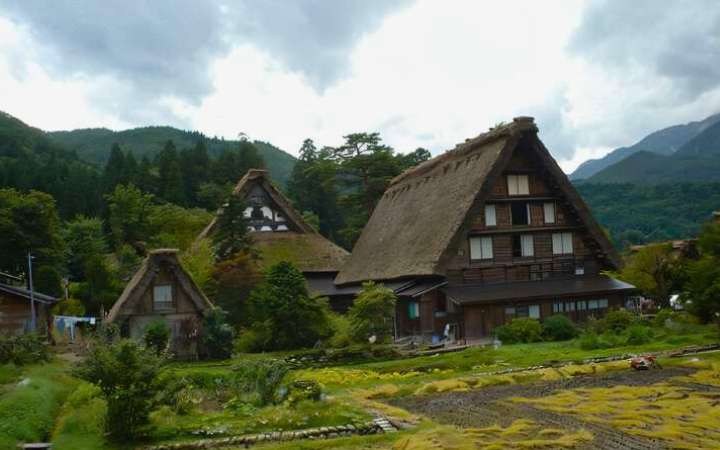
Today we travel by private motorcoach from Gokayama to Toga, a village located in a mountainous region isolated from the rest of the country for centuries. Villagers still follow traditional lifestyles, gathering and preserving sansai (山菜/mountain vegetables) and growing their own vegetables and mushrooms. We join a local forager to explore the surrounding mountains and get a close look into the agricultural traditions of the area, before visiting the home of local resident Mr. Nakanishi, who grows a special variety of rice for brewing's sake. Tasting home-brewed sake, called doburoku, is an unparalleled experience. To complement the sake, we'll have a lunch of delicious local dishes made with plants like those we foraged for earlier, courtesy of our hosts! We spend the night in Gokayama, a World Heritage Site with distinctive gassho-zukuri farmhouses sporting triangular thatched roofs unique to this part of Japan; we will have the chance to spend the night in one.
|
|
2027: Explore Kanazawa and Head to Gokayama
|
- Minshuku (family-run guesthouse)
- Breakfast, Dinner
This morning, we will have the opportunity to explore more of the historic Kanazawa area, including a visit to Kenrokuen Garden. Once the outer grounds of Kanazawa Castle, the expansive garden is renowned for its breathtaking scenery as forking paths wind around tranquil ponds under the coverage of vibrant seasonal blossoms. After lunch, we will head onwards to Gokoyama. We spend the night in Gokayama, a World Heritage Site with distinctive gassho-zukuri farmhouses sporting triangular thatched roofs unique to this part of Japan; we will have the chance to spend the night in one.
|
|
| 2026: Visit Shirakawa-go and Takayama |
|
- Ryokan (traditional Japanese inn)
- Breakfast, Dinner
After a traditional Japanese breakfast, we depart by highway bus to visit nearby Shirakawa-go, which has its own impressive collection of gassho-zukuri houses and has been a UNESCO World Heritage Site since 1995. After lunch in Shirakawa-go, we continue onwards to Takayama, nestled in the mountainous Hida region. Takayama boasts a beautifully preserved old town and a unique culture. It has retained much traditional architecture and is known for its crafts, particularly yew-wood carving, Shunkei lacquerware, pottery, and furniture. This evening, sit down to a multi-course kaiseki dinner at our family-run ryokan. Kaiseki cuisine is the ultimate style of Japanese food, and both the preparation methods and appearance are refined. Imbuing dishes with a seasonal feel and bringing out the natural flavours of the ingredients are key elements. Only seasonal ingredients passing intense scrutiny are used for the menu, but sometimes ingredients called hashiri that have been harvested before their seasons are included as treasured items. Each individual dish is a small portion, but colours, combinations and presentation of ingredients, together with tableware, all express the aesthetics of Japanese culture.
|
|
2027: Learn About the Local Agriculture in Toga
|
- Ryokan (traditional Japanese inn)
- Breakfast, lunch, dinner
Today we travel by private motorcoach from Gokayama to Toga, a village located in a mountainous region isolated from the rest of the country for centuries. Villagers still follow traditional lifestyles, gathering and preserving sansai (山菜/mountain vegetables) and growing their own vegetables. We explore the surrounding mountains and rice fields to get a closer look into the agricultural traditions of the area, before visiting the home of local resident Mr. Nakanishi, who grows a special variety of rice for brewing's sake. Tasting home-brewed sake, called doburoku, is an unparalleled experience. To complement the sake, we'll have a lunch of delicious local dishes made with plants like those we foraged for earlier, courtesy of our hosts! After lunch, we continue onwards to Takayama, nestled in the mountainous Hida region. Takayama boasts a beautifully preserved old town and a unique culture. It has retained much traditional architecture and is known for its crafts, particularly yew-wood carving, Shunkei lacquerware, pottery, and furniture. This evening, sit down to a multi-course kaiseki dinner at our family-run ryokan. Kaiseki cuisine is the ultimate style of Japanese food, and both the preparation methods and appearance are refined. Imbuing dishes with a seasonal feel and bringing out the natural flavours of the ingredients are key elements. Only seasonal ingredients passing intense scrutiny are used for the menu, but sometimes ingredients called hashiri that have been harvested before their seasons are included as treasured items. Each individual dish is a small portion, but colours, combinations and presentation of ingredients, together with tableware, all express the aesthetics of Japanese culture.
|
|
|
|
- Onsen ryokan (hot spring inn) or onsen hotel (hot spring hotel) (2026), Ryokan (traditional Japanese inn) (2027)
- Breakfast, lunch
Today, we visit Takayama's morning market resplendent with seasonal delicacies such as fresh vegetables, fruit, and flowers. With a local guide, who will also teach us about fermenting and storing produce. After lunch, continue exploring Takayama with your guide; dinner is at leisure.
|
|
| Travel from Takayama to Osaka |
|
- Western-style hotel
- Breakfast, Dinner
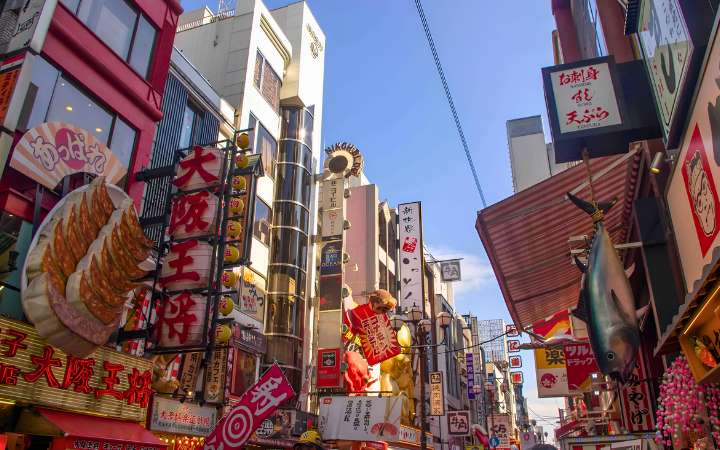
We board a train from Takayama to Ōsaka, which was historically known as tenka no daidokoro ( 天下の 台所/the nation’s kitchen), and famous not just for its Michelin-starred restaurants, but particularly for its street food – takoyaki, okonomiyaki, and more – the food of the common man. Today's lunch will be an ekiben (train station lunchbox). For dinner, we will visit a hidden house in the downtown of Namba, home to a unique sake speciality shop. The shop owner has fallen in love with sake and has been dedicated to continuing the traditions of sake brewers for over 30 years. Interacting with sake aficionados with the same level of enthusiasm, he has over 10,000 bottles in his collection, all of which are from local speciality brewers.The term sakana traditionally referred to food served to accompany sake, originating from the word saka (sake) and na (food). Special delicacies which pair well with selected sake are served for today’s dinner.
|
|
| Sharpen Your Knowledge about Japanese Cutlery in Sakai |
|
- Western Style Hotel
- Breakfast
This morning we travel by local train to Sakai City, famous for its knives which were endorsed by the Tokugawa shogunate itself. We make our way on foot to a local smith where we will see the forging process of Japanese knives up close. As you come into close contact with embers and sparks, the craftsmen will show you all the steps needed to fold steel and sharpen edges. You will learn how to sharpen and maintain a Japanese knife and purchase your own cutting-edge souvenir should you wish. In the early afternoon we return to Ōsaka. Dinner is at leisure.
|
|
| Visit A Sake Brewery and Enjoy a Foodscape Experience on Awaji Island |
|
- Onsen hotel (hot spring hotel)
- Breakfast, lunch, dinner
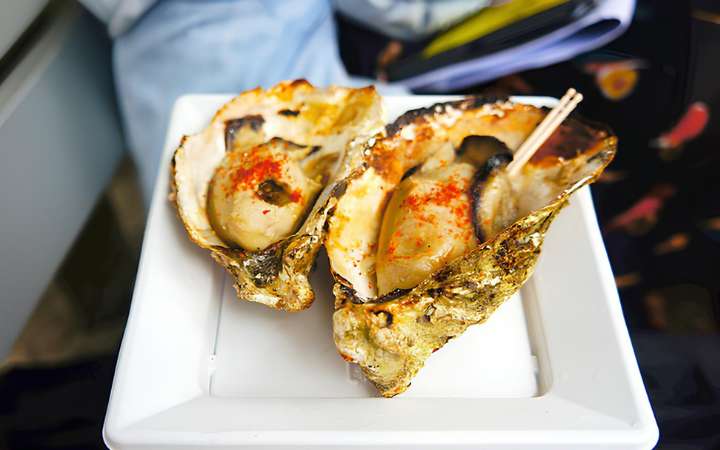
Awaji is known as the birthplace of the Japanese archipelago, when the gods Izanagi and Izanami first created an island here. Awaji has long been known as a miketsukuni, a place of food production for emperors.We start our day at a sake brewery, where we will be able to taste some for ourselves. Then, we rendez-vous on the coast for the ultimate beach lunch experience. If the weather is unkind, we will eat our delicious meal either at an old Japanese home renovated as a lovely café, or at a traditional building with a spinning mill. Our chef today is a true artist and prepares what he calls a ‘foodscape’. Using locally harvested ingredients, he uses his inspiration to create a natural landscape that will delight all your senses. After that, we visit a fish auction at a port. Our accommodation tonight is a beachside property on Awaji Island.
|
|
| Travel to Kyoto and Visit a Tea Plantation |
|
- Western-style hotel
- Breakfast, lunch
We travel back from Awaji Island and make our way to Ujitawara, an area that is famous internationally for its green tea. We visit the birthplace of Nagatani Sōen, the inventor of sencha green tea. For lunch, we enjoy the local dish known as chajiru, which has been recognised by Japan's Agency of Cultural Affairs as a '100-year food' due to its long history. Afterwards, we grab our cups for a tea-tasting experience that allows us to delve into the depths of these traditional flavours. We will also take part in a portion of the sencha-making process! If time allows, we will head to Byodo-in Temple, a World Heritage Site known for its Phoenix Hall, which is depicted on the 10-yen coin. Dinner is at leisure.
|
|
| 2026: Explore Nishiki Market and Enjoy an Earth Oven Cooking Experience in Kyoto |
|
- Western-style hotel
- Breakfast, lunch, farewell dinner
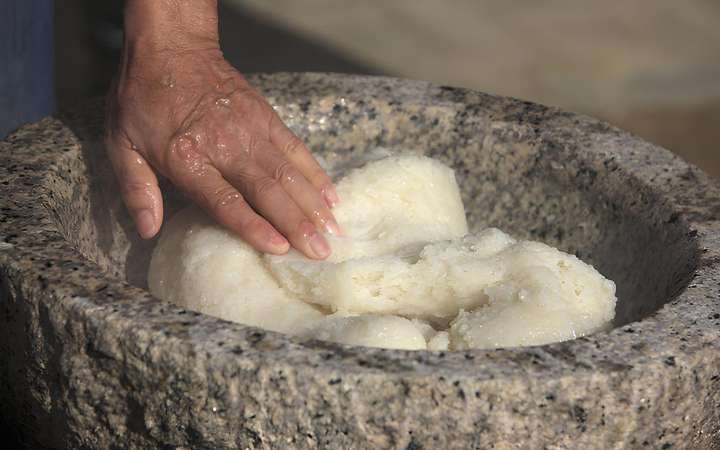
Kyōto is renowned throughout Japan for its regional washoku cuisine and specialities, as well as for the refinement and artistic presentation of kaiseki cuisine. This morning, we start our day at the colourful Nishiki Market, a bustling covered shopping area which has a well-deserved reputation as ‘Kyōto’s Kitchen’. Here we find a wide variety of traditional foods and local speciality items such as seafood, pickled and dried Japanese vegetables, tea, sweets, and also ceramics. After Nishiki Market, we head to a listed residence in the classic Kyōto style, where we will learn how to cook rice in a traditional earth oven called an okudo-san. After enjoying our lunch here, there is time to explore Kyōto at your leisure. Finally, we head to central Kyōto for our farewell dinner.
|
|
2027: Explore Nishiki Market and Enjoy an Earth Oven Cooking Experience in Kyoto
|
- Western-style hotel
- Breakfast, lunch, farewell dinner
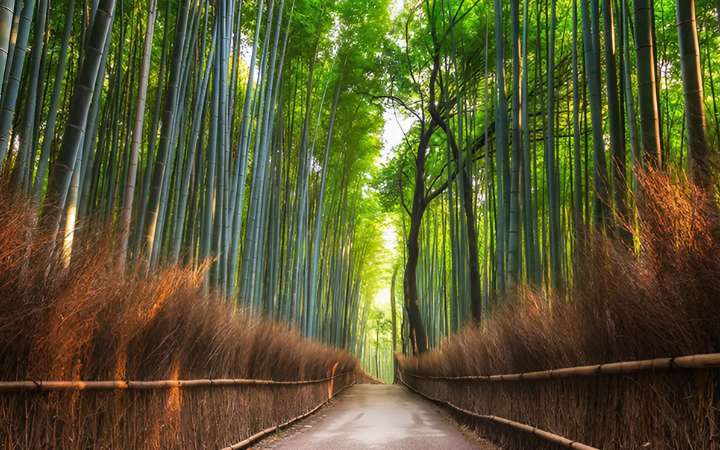
Kyōto is renowned throughout Japan for its regional washoku cuisine and specialities, as well as for the refinement and artistic presentation of kaiseki cuisine. This morning, we start our day at the colourful Nishiki Market, a bustling covered shopping area which has a well-deserved reputation as ‘Kyōto’s Kitchen’. Here we find a wide variety of traditional foods and local speciality items such as seafood, pickled and dried Japanese vegetables, tea, sweets, and also ceramics. After Nishiki Market, we head to a listed residence in the classic Kyōto style, where we will learn how to cook rice in a traditional earth oven called an okudo-san. After enjoying our lunch here, we will visit some of Kyōto's many wonderful temples. Jizō-in, surrounded by serene bamboo groves, is aptly known as the Bamboo Temple, and Jōjū-ji is a quiet, historic temple nestled in rich natural surroundings. Finally, we head to central Kyōto for our farewell dinner.
|
|
|
|
- Breakfast
Our tour ends after breakfast at the hotel in Kyōto. Your guide will offer advice on your journey to the airport for your homeward flight, or on onward travel in Japan if you are extending your stay.
|
|
|
|
|
| Tour Length |
11 days
|
| Cost |
From AUD $9,926 per person, twin share
|
| Type and Level of Trip |
Type: Guided tour with an expert bilingual guide
Technical level: -
Activity level: Gentle - Our Gentle-level walking tours will have you on your feet for much of the day in order to experience all the sights.
|
| What is Included |
- Full-time services of an English-speaking tour guide
- 10 nights in hotels and Japanese-style inns
- Daily breakfast, 6 lunches, and 6 dinners
- All transportation between tour locations
- Forwarding of 1 item of luggage with daily luggage transfer on a portion of the trip
- Entrance fees for sites and activities listed on the group's itinerary
- All cooking experiences and workshops
|
| What's Not Included |
- Flights
- Airport transfers
- Drinks and meals not included in itinerary
- Single room supplement for solo travellers at hotels
- Entrance fees for sites and activities not listed in 'What is Included'
|
| Dates |
2026:
2026:
|
| Important |
Due to the rural nature of this tour, slight alterations of the itinerary are possible. |